
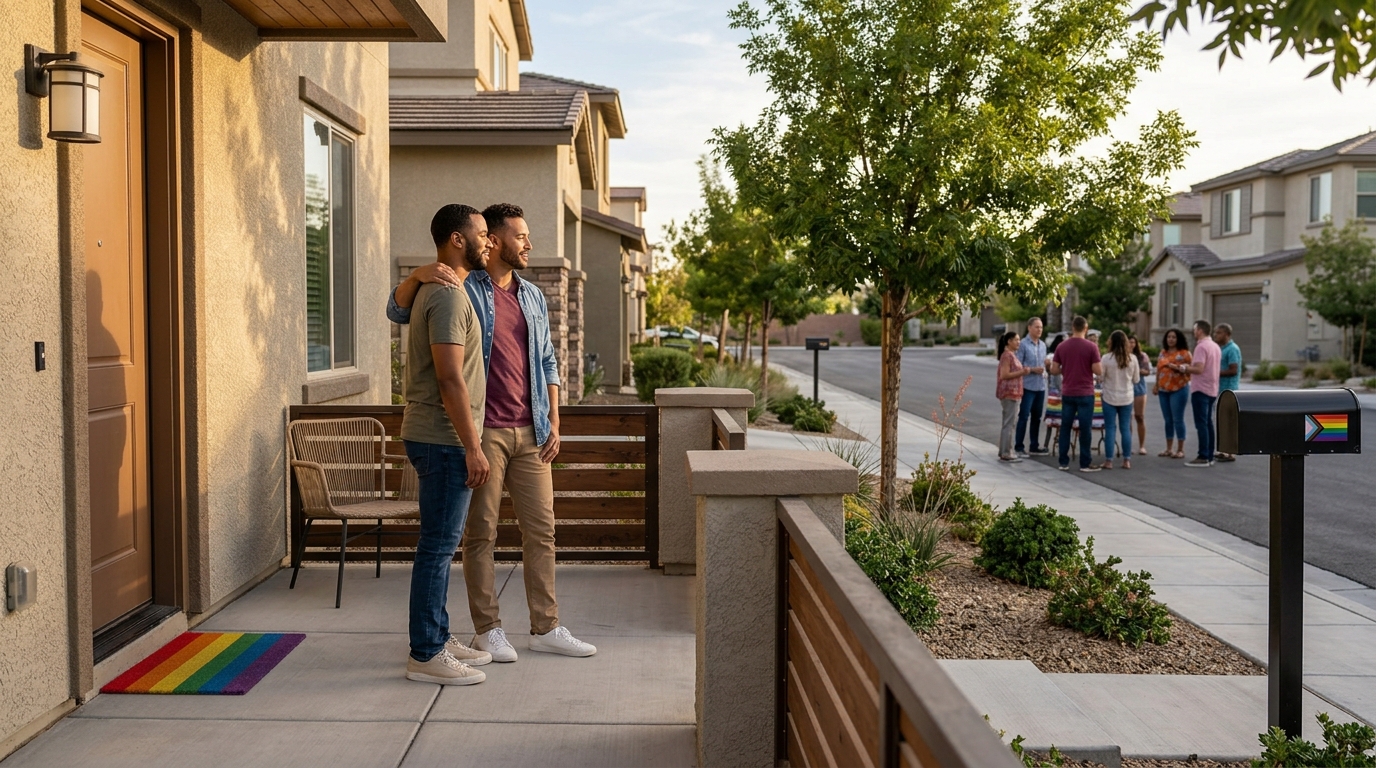
The landscape of home buying has shifted dramatically for LGBTQ+ individuals over the last decade. According to a 2025 report by the National Association of Realtors, nearly 40% of LGBTQ+ homebuyers now prioritize inclusive community standards over traditional neighborhood metrics. This data shows that safety, legal protection, and social acceptance are no longer secondary concerns but primary drivers of real estate decisions. As we move through 2026, the intersection of federal policy changes and local market dynamics creates a unique environment for queer families and individuals seeking their next home.
The Evolving Legal Landscape
Understanding the current legal framework is the first step in the home buying journey. Homeland security is a critical component of property rights, especially in states where legislative debates regarding LGBTQ+ rights remain active. Buyers must be aware of how local zoning laws and fair housing ordinances apply to their specific situation.
Federal vs. State Protections
While federal law prohibits discrimination in housing based on sex, the interpretation of this protection for LGBTQ+ individuals has varied by administration. In 2024, the Supreme Court reaffirmed that Title VII protections extend to sexual orientation and gender identity, which has influenced lower courts in housing disputes. However, state-level fair housing laws remain the most immediate tool for protection. Fair housing laws in states like California, New York, and Washington provide robust protections that buyers should leverage during negotiations.
Impact on Property Values
Research indicates that homes in inclusive communities often maintain value better during economic downturns. Property values in cities with strong LGBTQ+ protections have shown a 5% higher appreciation rate over the last three years compared to regions with restrictive policies. This trend highlights the economic benefit of choosing a supportive environment.
Finding Inclusive Real Estate Professionals
The choice of a real estate agent can make or break the buying experience. An inclusive agent does more than show houses; they advocate for your safety and legal interests.

Qualifications to Look For
Seek agents who hold certifications such as the Certified LGBTQ+ Real Estate Professional (CLREP) designation. These professionals undergo rigorous training on inclusive language, legal nuances, and community resources. Certified professionals are committed to providing a welcoming environment for all clients.
Interviewing Potential Agents
During initial consultations, ask specific questions about their experience with LGBTQ+ clients. Do they use inclusive language in their marketing materials? Are they familiar with local LGBTQ+ community centers? Our team at Allen Zeller prioritizes these conversations to ensure every client feels seen and respected from the first meeting.
Community Vetting and Neighborhood Analysis
Neighborhood selection requires a deeper level of scrutiny for LGBTQ+ buyers. It is not just about school districts and commute times; it is about social cohesion and safety.
Using Data for Safety
Utilize crime mapping tools and community survey data to assess neighborhood attitudes. Census data can provide insights into demographic shifts and community engagement levels. Look for areas with active LGBTQ+ business districts or community centers, as these often indicate a higher level of local acceptance.
Engaging with Local Organizations
Connect with local LGBTQ+ advocacy groups before making an offer. These organizations often have informal networks that can provide honest feedback about specific streets or subdivisions. Human Rights Campaign maps can help identify states and municipalities with comprehensive non-discrimination ordinances.
Financing and Legal Protections
The financial and legal aspects of home buying require careful navigation to ensure long-term security.
Mortgage Lending Practices
While federal law prohibits discrimination in lending, bias can still occur in practice. Buyers should work with lenders who have explicit non-discrimination policies. Consumer financial protection agencies provide resources for reporting discriminatory lending practices. Ensure your lender is transparent about all fees and terms to avoid predatory lending tactics.
Estate Planning for Couples
For same-sex couples, estate planning is crucial. Property ownership structures must be carefully considered to protect both partners' interests. Joint tenancy with rights of survivorship is a common choice, but trusts may offer greater flexibility. Legal guidance from specialists in LGBTQ+ family law can help navigate these complexities.
Insurance Considerations
Homeowners insurance policies should be reviewed for any exclusions or biases. Ensure that the policy covers all aspects of your home, including any home-based businesses or specialized equipment. Insurance regulations vary by state, so understanding local requirements is essential.
Key Takeaways
- 40% of LGBTQ+ homebuyers prioritize inclusive community standards over traditional metrics.
- Federal protections under Title VII influence housing disputes across the United States.
- Certified LGBTQ+ Real Estate Professionals offer specialized training and advocacy.
- Properties in inclusive communities have shown a 5% higher appreciation rate recently.
- Local fair housing laws provide the most immediate legal protection for buyers.
- Connecting with local LGBTQ+ organizations provides valuable neighborhood insights.
- Estate planning is critical for protecting property rights in same-sex couples.
Frequently Asked Questions
What legal protections exist for LGBTQ+ homebuyers?
Federal law prohibits discrimination in housing based on sex, which has been interpreted to include sexual orientation and gender identity. Additionally, many states have their own fair housing laws that provide explicit protections for LGBTQ+ individuals.
How do I find an inclusive real estate agent?
Look for agents with certifications like the CLREP designation. Interview potential agents about their experience with LGBTQ+ clients and their familiarity with local community resources.
Are there specific neighborhoods that are more LGBTQ+ friendly?
Neighborhoods with active LGBTQ+ business districts, community centers, and high ratings on inclusivity indices are generally more welcoming. Local advocacy groups can provide specific recommendations.
What should I consider in estate planning as an LGBTQ+ buyer?
Consider property ownership structures like joint tenancy or trusts. Consult with a specialist in LGBTQ+ family law to ensure your assets are protected and your wishes are honored.
How can I report discrimination in housing?
You can file a complaint with the Department of Housing and Urban Development (HUD) or your state's fair housing agency. Document all interactions and keep records of any discriminatory statements or actions.
Do property values differ in inclusive communities?
Studies suggest that homes in inclusive communities may appreciate faster due to higher demand and stability. However, market conditions vary by region.
What resources are available for LGBTQ+ homebuyers?
Organizations like the Human Rights Campaign and local LGBTQ+ centers offer resources, guides, and community connections to support homebuyers.
How important is lender transparency?
Extremely important. Transparent lenders ensure you understand all costs and terms, reducing the risk of predatory practices and ensuring fair treatment.
Start Your Journey with Confidence
Navigating the real estate market as an LGBTQ+ buyer requires knowledge, support, and the right team. At Allen Zeller, we are dedicated to providing inclusive, expert guidance every step of the way. Contact us today to schedule a consultation and discover how we can help you find your perfect home.