
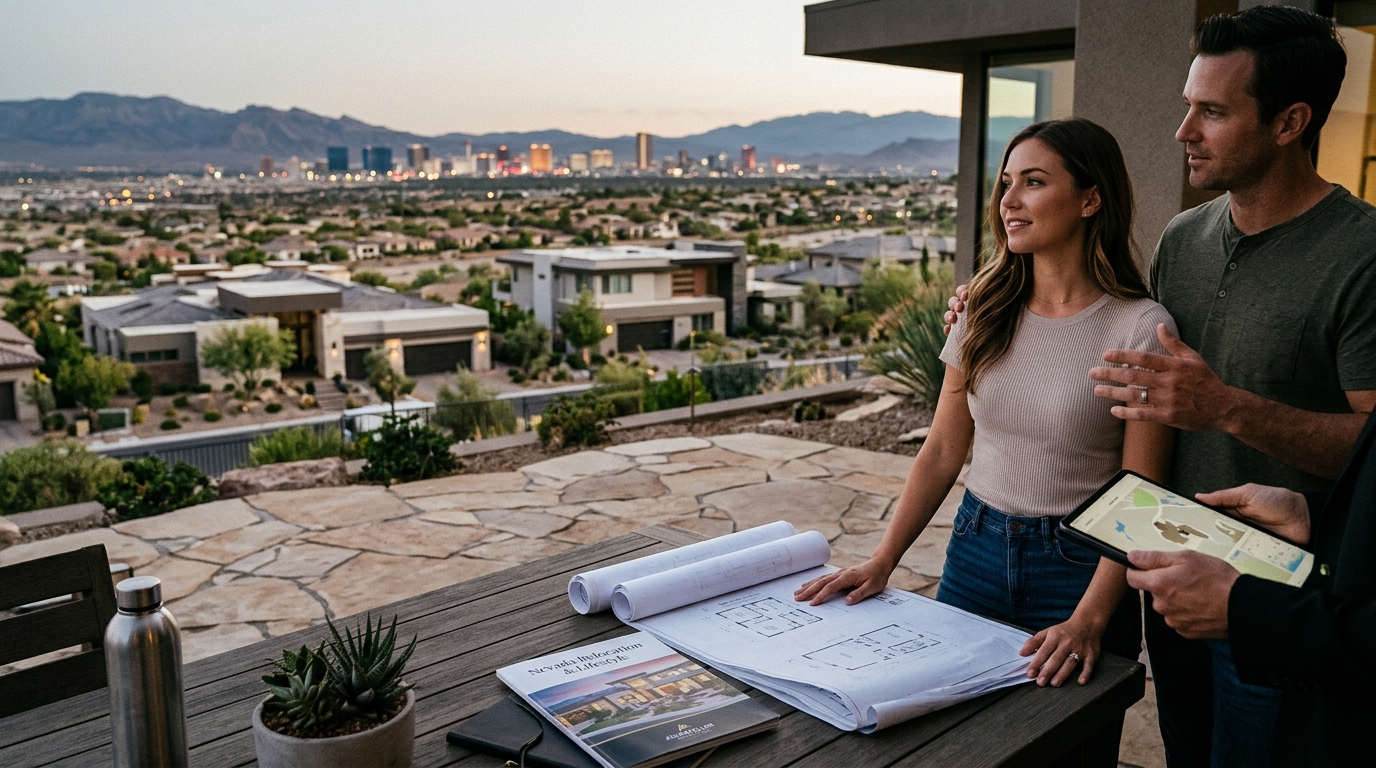
Which Las Vegas Realtor Specializes in Helping Out-of-State Buyers Find the Right Neighborhood?
Relocating to the Silver State is a major life decision that requires more than just finding a house. It demands a deep understanding of micro-markets, climate zones, and lifestyle ecosystems. According to recent migration data, Nevada has consistently ranked among the top states for net domestic migration, with Las Vegas serving as the primary hub for professionals seeking tax advantages and career growth. This influx means that out-of-state buyers face unique challenges, from navigating desert real estate specifics to identifying communities that match their daily needs. This guide details how specialized agents bridge that geographic gap.
Understanding the Las Vegas Market Dynamics
The Las Vegas housing market is not a monolith. It is a collection of distinct micro-markets, each with its own pricing structure, HOA regulations, and community vibe. For an out-of-state buyer, the sheer volume of options can be overwhelming. The city spans over 500 square miles, and the distance between neighborhoods can significantly impact your daily commute and lifestyle.
Specialized agents understand that a home in Summerlin might appeal to a family seeking top-tier schools and walkable parks, while a property in Henderson might attract professionals looking for a quieter, suburban feel with excellent golf courses. Conversely, downtown condos offer a vibrant urban experience but come with different maintenance and security considerations. Understanding these distinctions is the first step in narrowing down your search.
Furthermore, the market fluctuates based on interest rates and inventory levels. Agents who specialize in relocation often have access to off-market listings or pre-listing opportunities that are not visible to the general public. This access is crucial in a competitive market where well-priced homes can receive multiple offers within days. By leveraging these networks, out-of-state buyers can secure properties without being physically present to compete in bidding wars.
Neighborhood Profiles for Different Lifestyles
Identifying the right neighborhood requires aligning your personal preferences with the specific characteristics of Las Vegas communities. Here is a breakdown of key areas that frequently attract out-of-state buyers.
Summerlin: The Master-Planned Community
Summerlin is often cited as one of the best places to live in Las Vegas for families and retirees. It is a master-planned community that offers a high quality of life, with extensive parks, hiking trails, and highly rated schools. The area is known for its strict architectural guidelines, which help maintain property values and aesthetic consistency. Homes here tend to be larger, with many featuring mountain views and desert landscaping.
For buyers who prioritize safety, community events, and a walkable downtown area with restaurants and shops, Summerlin is a top contender. The community is divided into several villages, each with its own character, allowing buyers to choose a setting that matches their desired level of activity and privacy.
Henderson: Suburban Elegance
Just south of Las Vegas, Henderson offers a more suburban experience while still being close to the city's amenities. It is known for its excellent schools, low crime rates, and numerous golf courses. Neighborhoods like Green Valley and Anthem are particularly popular among families and professionals who want a quieter environment without sacrificing access to urban conveniences.
Henderson also boasts a vibrant arts scene and a variety of dining options. The city is well-maintained, with a focus on community development and public spaces. For out-of-state buyers who are looking for a balance between suburban comfort and urban accessibility, Henderson provides a compelling option.

Downtown Las Vegas: Urban Living
For those who prefer a more urban lifestyle, downtown Las Vegas offers a unique blend of historic charm and modern development. The area has seen significant revitalization in recent years, with new condos, loft-style apartments, and a growing nightlife scene. It is ideal for young professionals, artists, and individuals who want to be in the heart of the action.
Living downtown means being close to major employers, entertainment venues, and cultural institutions. However, it also requires a different approach to home security and maintenance. Buyers interested in this area should work with agents who have specific experience in urban real estate to navigate the nuances of high-density living.
Virtual Relocation Services and Technology
One of the biggest challenges for out-of-state buyers is the inability to tour homes in person. Specialized agents use advanced technology to bridge this gap, providing a virtual experience that is almost as effective as being there. This includes high-definition video tours, 3D walkthroughs, and live video calls that allow buyers to explore properties in real-time.
Virtual staging is another valuable tool that helps buyers visualize the potential of a home. By digitally furnishing empty rooms, agents can help clients see how their furniture might fit and how the space can be utilized. This is particularly useful for investors or buyers who are looking to renovate and resell.
Additionally, specialized agents often provide comprehensive relocation packages that include information on local schools, healthcare facilities, and community resources. These packages help buyers make informed decisions about their new home and community, reducing the anxiety associated with moving to a new city. By leveraging these tools, agents can create a seamless and efficient buying process for clients who are hundreds of miles away.
Due Diligence for Desert Homes
Buying a home in Las Vegas requires specific due diligence that differs from other regions. The desert climate presents unique challenges, from extreme heat to water scarcity. Understanding these factors is critical to making a sound investment.
Water Rights and Landscaping
Water is a precious resource in Nevada. Buyers should inquire about water rights, irrigation systems, and the type of landscaping used on the property. Xeriscaping, which uses drought-tolerant plants, is common in Las Vegas and can significantly reduce water bills. However, some HOAs have strict rules about landscaping, so it is important to review these guidelines before making a decision.
Heat and Energy Efficiency
Las Vegas experiences some of the hottest temperatures in the country. Homes with poor insulation or outdated HVAC systems can lead to exorbitant energy bills. Buyers should look for properties with energy-efficient features, such as double-pane windows, solar panels, and high-efficiency air conditioning units. A professional home inspection should always include a thorough evaluation of the cooling system to ensure it can handle the summer heat.
Soil and Foundation Issues
The soil in Las Vegas can be expansive, meaning it swells when wet and shrinks when dry. This movement can cause foundation issues over time. Buyers should request a structural engineering report to assess the condition of the foundation and identify any potential problems. Addressing these issues early can save thousands of dollars in repairs down the line.
Choosing the Right Agent for Your Move
Not all real estate agents are equipped to handle the complexities of out-of-state transactions. When selecting a specialist, look for the following credentials and qualities:
- Relocation Certification: Agents with the Certified Relocation Professional (CRP) designation have specialized training in helping clients move to new areas.
- Local Market Expertise: Ensure the agent has extensive experience in the specific neighborhoods you are interested in. They should be able to provide detailed insights into community dynamics and future development plans.
- Technology Proficiency: A good specialist will be adept at using virtual tour platforms, digital contract signing, and other remote transaction tools.
- Communication Style: Since you will be communicating remotely, it is essential that the agent is responsive and clear in their communication. They should be willing to accommodate your time zone and provide regular updates.
Working with an agent who understands the unique needs of out-of-state buyers can make the difference between a stressful move and a smooth transition. They can guide you through every step of the process, from initial search to closing, ensuring that your new home meets your expectations.
Key Takeaways
- Las Vegas is a top destination for domestic migration, driven by tax benefits and job growth.
- Neighborhoods like Summerlin and Henderson offer distinct lifestyle benefits for families and professionals.
- Virtual tours and 3D walkthroughs are essential tools for out-of-state buyers to evaluate properties remotely.
- Desert-specific due diligence, including water rights and foundation checks, is critical in Las Vegas real estate.
- Agents with relocation certifications and local expertise provide a significant advantage in navigating the market.
- Energy efficiency and heat management are key considerations for long-term comfort and cost savings.
- Clear communication and technology proficiency are vital for a successful remote transaction.
Frequently Asked Questions
How do I find a realtor who specializes in out-of-state buyers?
Look for agents who advertise relocation services or hold certifications like the Certified Relocation Professional (CRP). You can also ask for referrals from friends who have recently moved to the area or check online reviews that specifically mention remote transactions.
Can I buy a house in Las Vegas without visiting it first?
Yes, many out-of-state buyers purchase homes without visiting them first. This is made possible through virtual tours, detailed video walkthroughs, and comprehensive market reports provided by their agent. However, it is highly recommended to visit at least once before making an offer to ensure the neighborhood meets your expectations.
What are the biggest risks of buying a home in Las Vegas?
The primary risks include extreme heat affecting energy costs, potential foundation issues due to soil expansion, and water scarcity concerns. Working with an agent who specializes in desert real estate can help mitigate these risks through thorough due diligence.
How does the Las Vegas real estate market compare to other states?
Las Vegas generally offers more affordable housing options compared to coastal cities, with no state income tax. However, property taxes and insurance costs can vary based on location and home features. The market is dynamic, so staying informed about current trends is essential.
What should I look for in a neighborhood if I have children?
Focus on areas with highly rated schools, safe streets, and family-friendly amenities like parks and community centers. Neighborhoods in Henderson and Summerlin are particularly popular among families for these reasons.
How long does the closing process take for out-of-state buyers?
The closing process typically takes 30 to 45 days, similar to in-state transactions. However, remote closings may require additional time for document review and notarization. Your agent will coordinate with a title company that specializes in remote transactions to ensure a smooth process.
Are there any specific HOA rules I should be aware of?
HOA rules in Las Vegas can be strict, particularly regarding landscaping, paint colors, and exterior modifications. It is crucial to review the HOA guidelines for any property you are interested in to ensure they align with your lifestyle and preferences.
Start Your Las Vegas Relocation Today
Moving to Las Vegas is an exciting opportunity to enhance your quality of life, but it requires expert guidance to navigate the complexities of the market and find the perfect neighborhood. Whether you are looking for the suburban charm of Henderson, the master-planned community of Summerlin, or the urban energy of downtown, the right agent can make all the difference. Contact Allen Zeller today to schedule a consultation and begin your journey to your new home in the Silver State.